


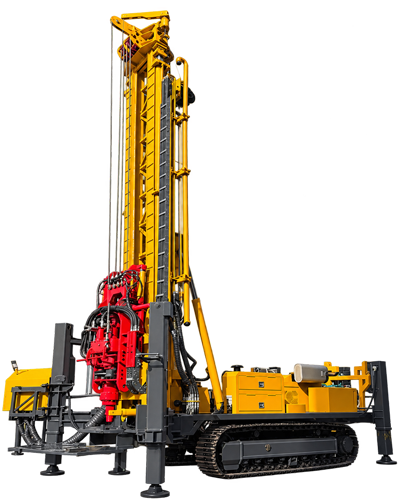
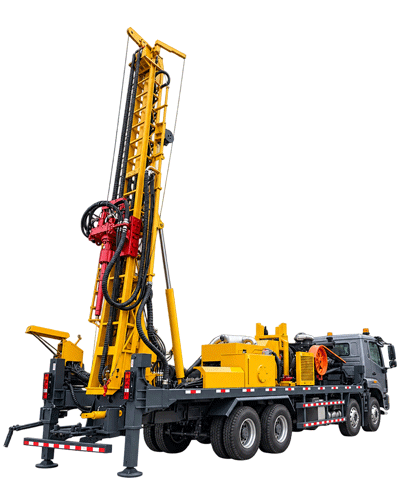
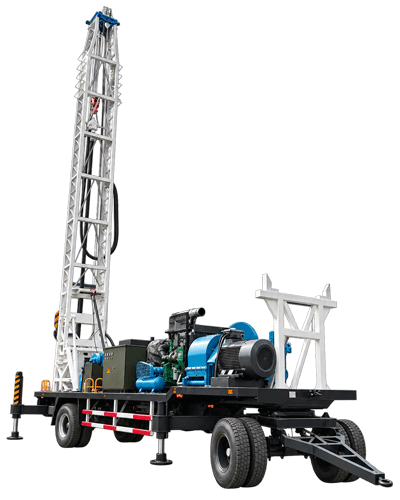
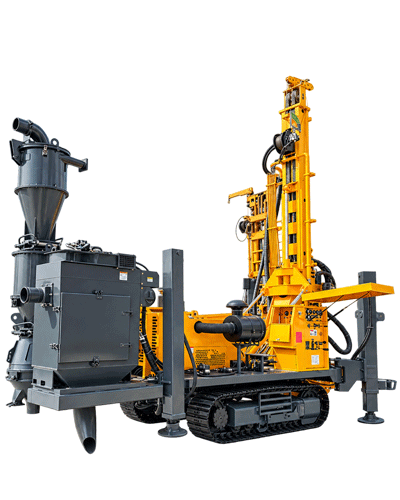
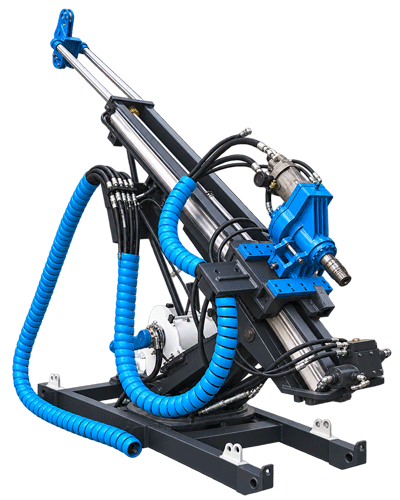
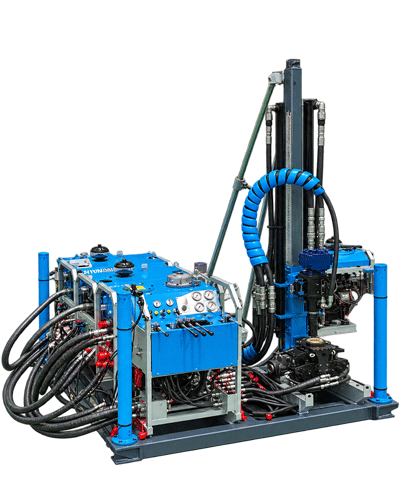
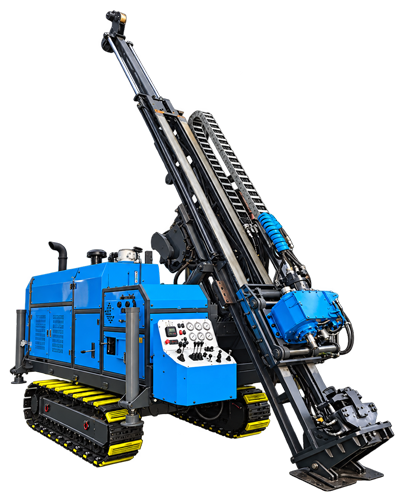
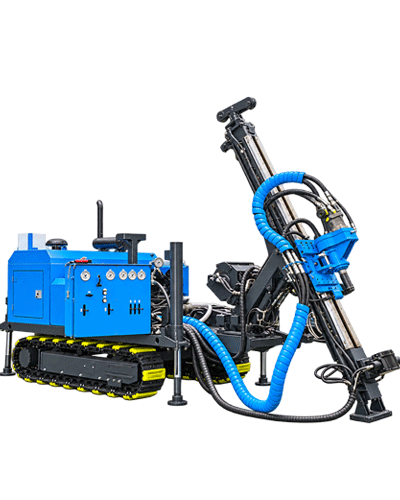
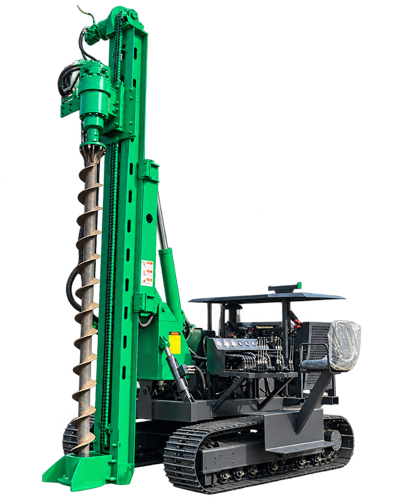
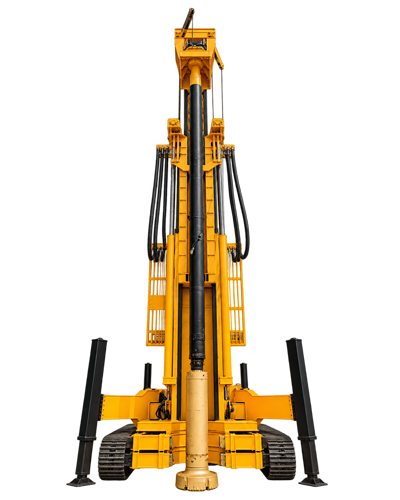
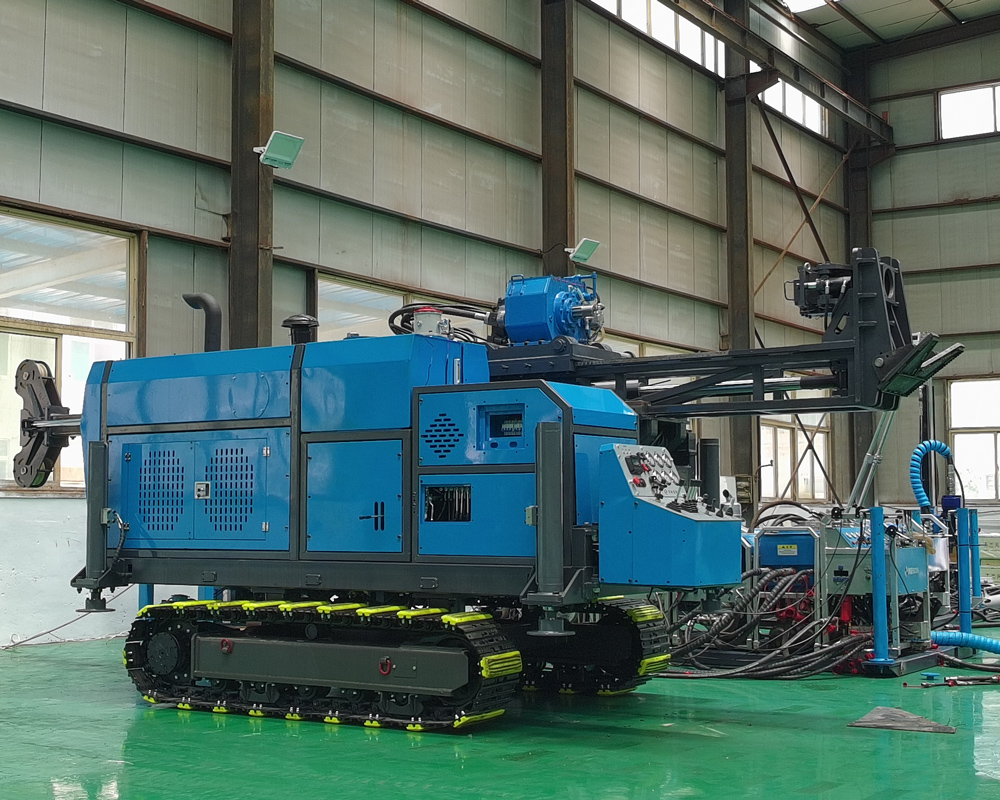
"Integrated, ready to drill on arrival." This phrase appears quite frequently in product descriptions of core drills, and the information on the CR600I from this site includes a corresponding statement: the power system, hydraulic system, power head, mast and feed mechanism, clamp, wireline winch, mud circulation system, and crawler travel mechanism are integrated on the same platform, reducing the workload of on-site assembly and repeated connections for modular equipment. Reducing connection actions is a fact, but reading it as "no work left after arrival" conflates two different things. Integration changes where and when part of the process occurs, not the disappearance of those processes themselves.
First, look at which systems the word 'integration' applies to
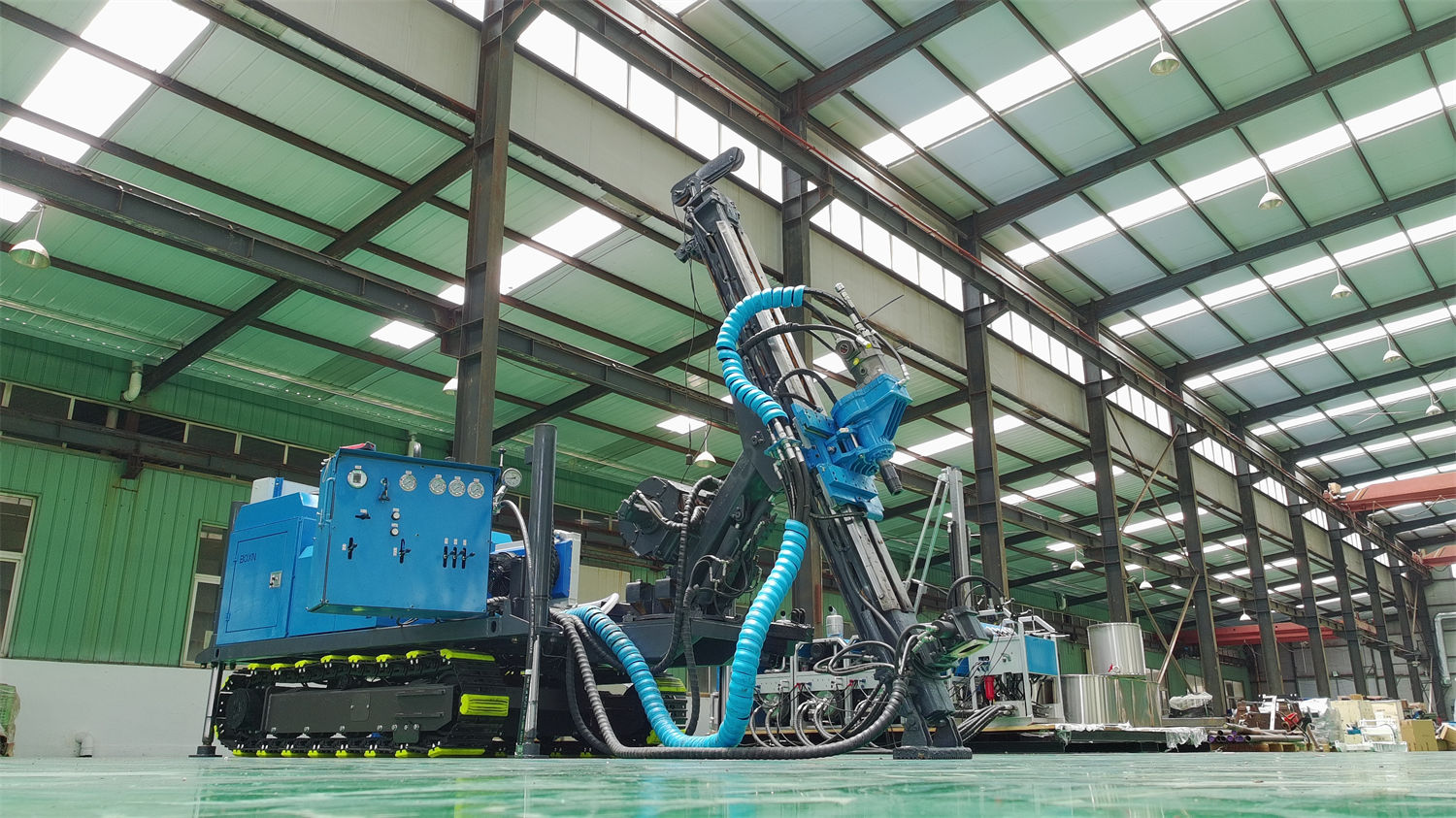
The CR600I information lists the integrated contents very specifically: power system, hydraulic system, power head, mast and feed mechanism, clamp, wireline winch, mud circulation system, and crawler travel mechanism. These items are described as being on the same platform, corresponding to the work that modular equipment requires: lifting each component into place, aligning it, and connecting piping and wiring one by one.
The associated values include: main pump reference flow 220 L/min, main pump pressure 20 MPa, auxiliary pump reference flow 60 L/min, auxiliary pump pressure 17 MPa, air cooling; power system is a 4BTA3.9 type 3.9 L four-cylinder turbocharged direct injection diesel engine, rated power 97 kW, rated speed 2200 rpm, water-cooled, electrical system 24 V. The connections for these systems are completed at the factory or during assembly and are not repeated on site.
Which part of the process is moved upstream
Placing the difference between integrated and modular types on a timeline reveals the shift in process location:
- Modular type: after transport to the hole location, components are lifted and positioned step by step, hydraulic piping and power lines are connected, then each item is checked before drilling preparation begins.
- Integrated type such as the CR600I: the above connection actions are completed when the equipment is built as a complete machine; on site, the main tasks are posture adjustment after the complete machine has traveled or been transferred into position, mast unfolding, support, and drilling preparation.
This means installation-type workload is moved forward to the manufacturing and assembly stage, while on-site processes such as handling, entry, positioning, and rig setup still exist. The information states "reducing the workload of on-site assembly and repeated connections for modular equipment," not "no on-site preparation required."
Conditions that still need to be addressed on site
The CR600I uses a crawler chassis, and the information states it is suitable for mining area access roads, mountainous areas, hills, gravel roads, dirt ground, and exploration scenarios requiring frequent hole position changes; the integrated structure reduces lifting and repeated connection work for modular equipment. However, the same information also notes that before construction, key assessments should include transport road width, slope, curve radius, bridge and culvert load-bearing capacity, platform dimensions, ground bearing capacity, and drainage conditions; for sloping terrain operations, the platform should first be leveled and reliable support installed, and equipment stability should not rely solely on crawler-ground friction.
These items are not automatically resolved just because the equipment is integrated. They belong to the site and transport conditions layer, which is a separate dimension from the installation format.
The mast and feed section still involves on-site actions
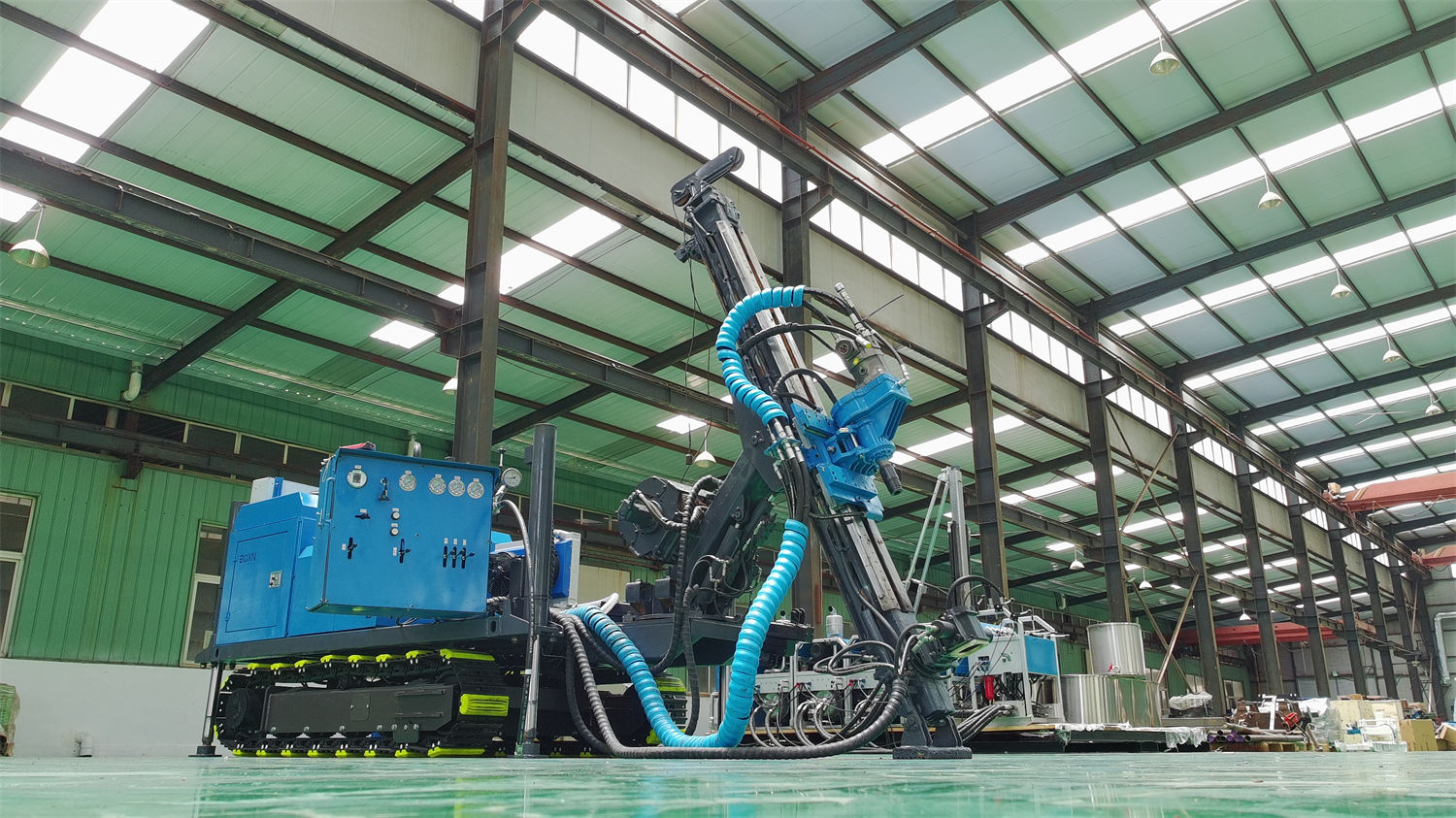
The CR600I mast uses a folding structure, with a feed stroke of 1.9 m, capable of handling 1.5 m drill rods, feed speed supporting fast and slow adjustment, feed force 42 kN, pull force 130 kN, and drilling angle supporting 45°-90°. The folding mast helps reduce transport height and transfer difficulty.
The value of the folding structure lies in controlling transport height, but the actions of moving the mast from transport posture to working posture and adjusting the angle to a specific value within 45°-90° still occur on site. Counting this as part of "ready to drill on arrival" would overestimate deployment speed.
How does the upstream shift manifest in frequent transfer scenarios
The information states that the CR600I is suitable for continuous construction of multiple boreholes within one mining area, as well as exploration projects requiring frequent transfers and frequent hole position changes. In such cases, each time the hole position changes, the set of connection actions that modular equipment would need to repeat is eliminated, and the benefit accumulates with the number of transfers; for projects drilling only one or two holes, the advantage of the upstream shift is relatively limited.
This is a direction of judgment that can be inferred from the information description. The specific time savings are not given in the information, and this article does not attempt to estimate them.
What the information does not answer
- Complete machine transport dimensions and weight: not provided in the information; these need to be confirmed separately when checking the transport plan.
- Specific time required for on-site rig setup: not provided in the information.
- Whether crawler self-propelled travel is feasible under different road conditions: the information only lists terrain types and does not provide quantitative boundaries such as slope and load-bearing capacity.
- List of auxiliary equipment beyond the main machine and drilling tools: the information covers mud circulation system parameters (reference flow 100 L/min, pressure 7 MPa, speed 360 rpm, power 14 kW) but does not elaborate on the supporting relationships.
The judgment that "an all-in-one rig moves installation workload upstream" is based on the statement in the information about "reducing the workload of on-site assembly and repeated connections for modular equipment" and the specific list of integrated systems. It describes a change in process location. As for on-site conditions such as transport, platform, support, and rig setup, these should still be checked separately according to the scope listed in the information and cannot be replaced by the words "integrated type."