

In mining, quarrying, or road excavation projects, when a DTH hammer is labeled "wear-resistant," many people directly associate it with "efficient drilling in any hard rock." However, wear resistance refers to the ability of the hammer to maintain structural integrity and extend service life under high-frequency and high-load conditions; drilling efficiency is determined by rock hardness, hole diameter, air supply pressure, air flow rate, bit wear, and operating methods. These two concepts cannot be equated. This article, based on actual operating conditions of hard rock drilling, explains the applicable scenarios, supporting requirements, and matters still needing confirmation for the 55A DTH hammer.
First, distinguish that "wear resistance" and "efficient drilling" address two different things
A DTH hammer uses compressed air to drive an internal piston in high-frequency reciprocating impact on the drill bit, combined with bit rotation to break rock. In this process, the wear-resistant structure corresponds to the durability of the hammer body under long-term high-frequency impact; efficient drilling depends on whether the entire drilling system can properly coordinate impact energy, air supply, and bit condition in a specific rock formation.
The public information on the 55A DTH hammer lists wear resistance as a product feature, suitable for high-frequency, high-load drilling environments such as mines and quarries. This feature benefits durability in continuous construction, but the information also states that actual drilling efficiency is affected by rock hardness, hole diameter, air supply pressure, air flow rate, bit wear, and operating methods. In other words, choosing a wear-resistant hammer solves problems such as "the drilling tool itself is prone to wear" but cannot replace judgment on rock formation, air supply, hole diameter matching, and other conditions.
In which scenarios is the 55A DTH hammer worth considering
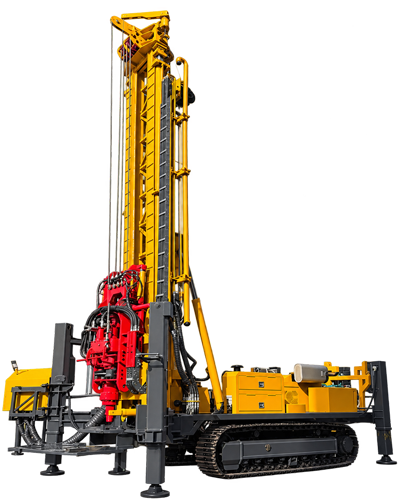
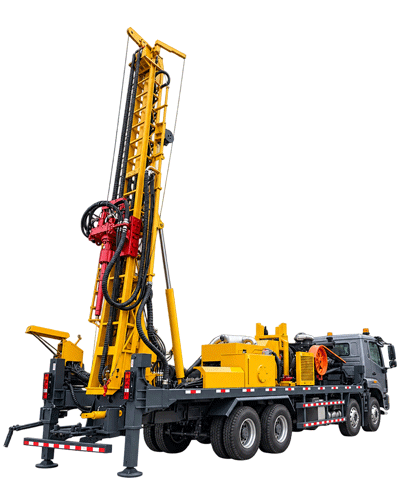
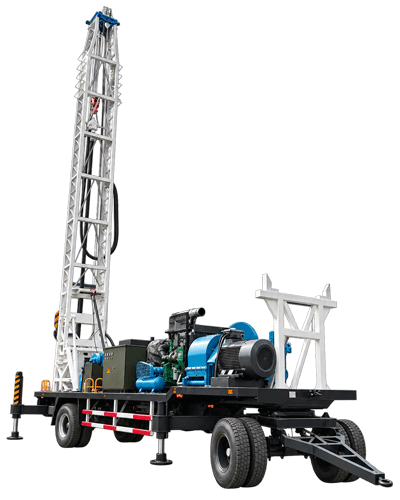
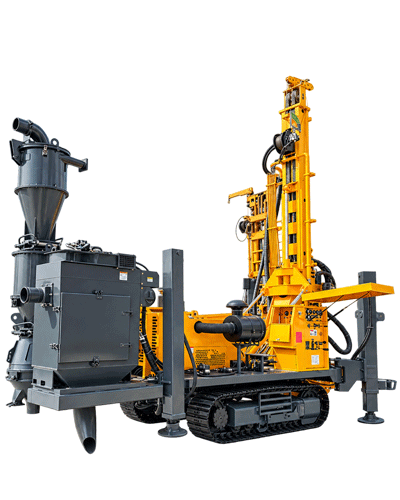
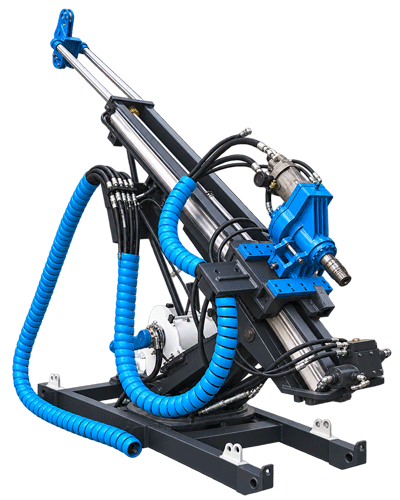
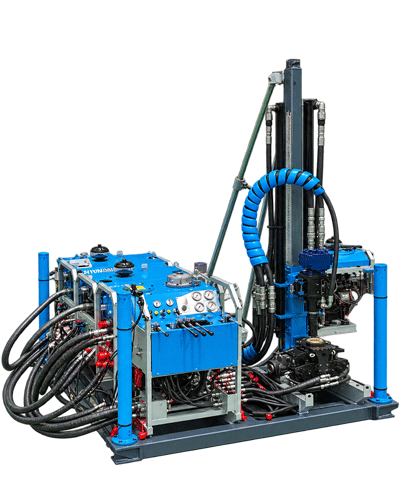
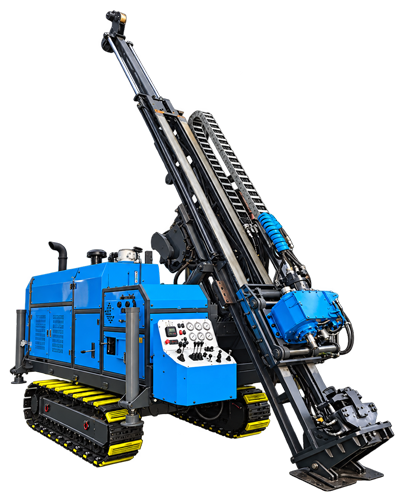
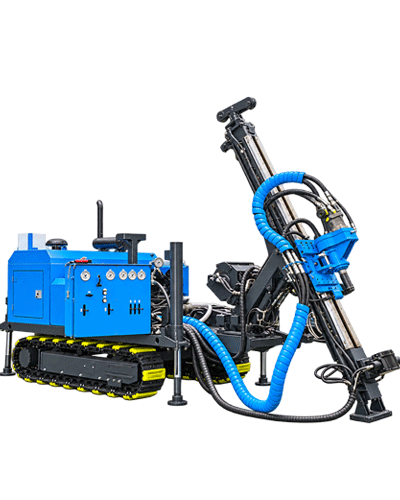
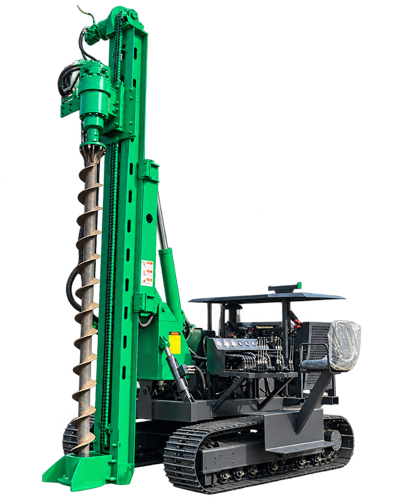
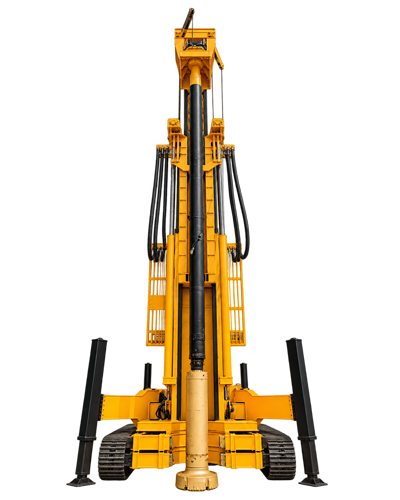
According to verified product information, the 55A DTH hammer can be used for mining blast holes, quarry drilling, road and engineering rock drilling, water well drilling, and other scenarios, and can be combined with DTH drilling rigs, water well drilling rigs, and corresponding specifications of drill pipes and bits. If the work is concentrated in these areas and a wear-resistant drilling tool is needed to handle high-frequency, high-load drilling environments, this model can be considered.
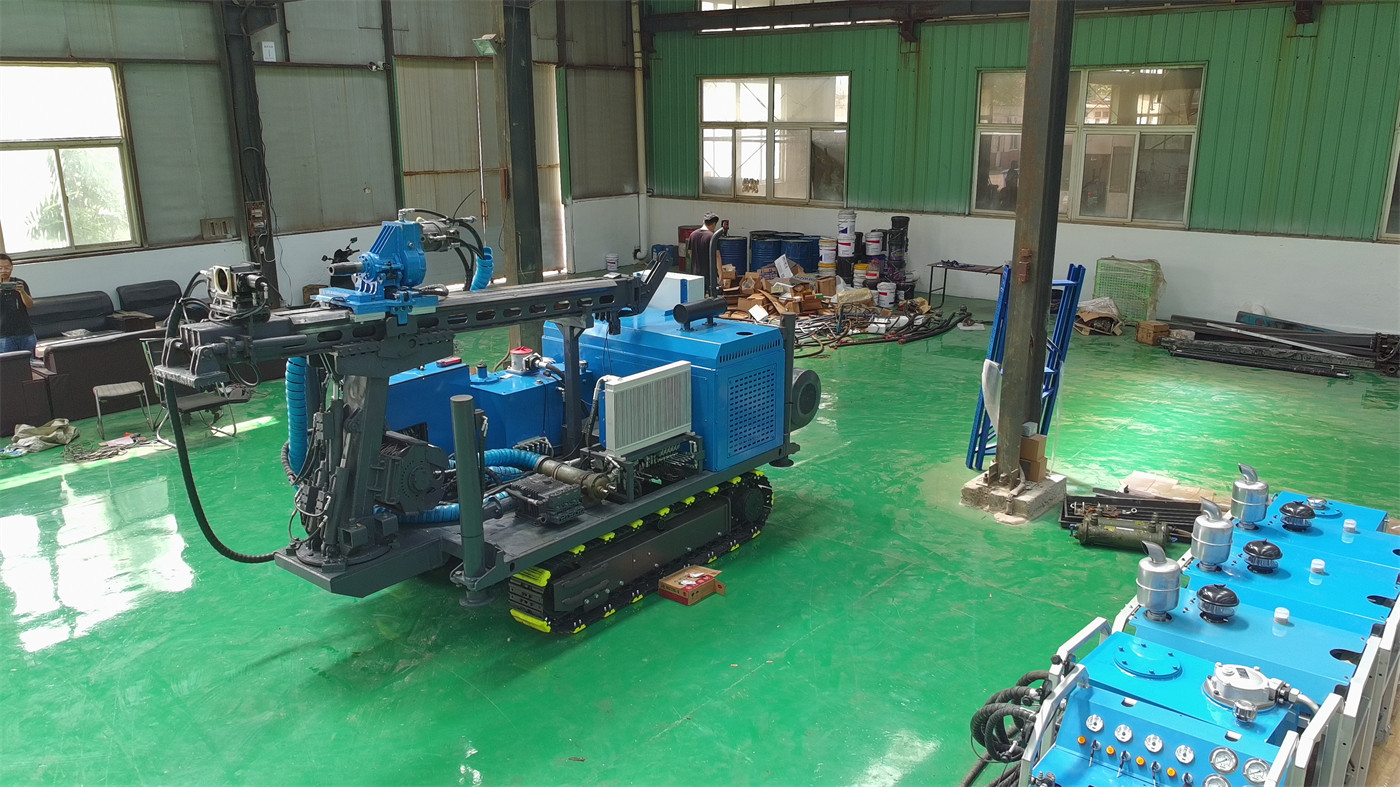
It should be noted that these scenarios describe the product's scope of application, not a commitment to specific construction results. Whether efficient drilling can actually be achieved still requires item-by-item verification of rock formation conditions, equipment matching, and drilling tool compatibility.
What the 85–185mm applicable hole diameter means for operations
The applicable hole diameter range of the 55A DTH hammer is 85–185mm. This range covers various hole diameter requirements in mining, engineering, and water well drilling. When selecting, first confirm whether the target hole diameter falls within this range, then match the corresponding bit diameter according to the actual hole diameter.
Hole diameter not only affects bit selection but also relates to the matching of air supply and impact energy. When the hole diameter is larger, the required air flow rate is usually higher; when the hole diameter is smaller, the matching method of the drilling system will also differ. The bit diameter and hole diameter requirements in the information need to be confirmed together with air compressor parameters, and a single value should not be considered in isolation.
If supporting conditions are not implemented, the wear-resistant advantage cannot be realized
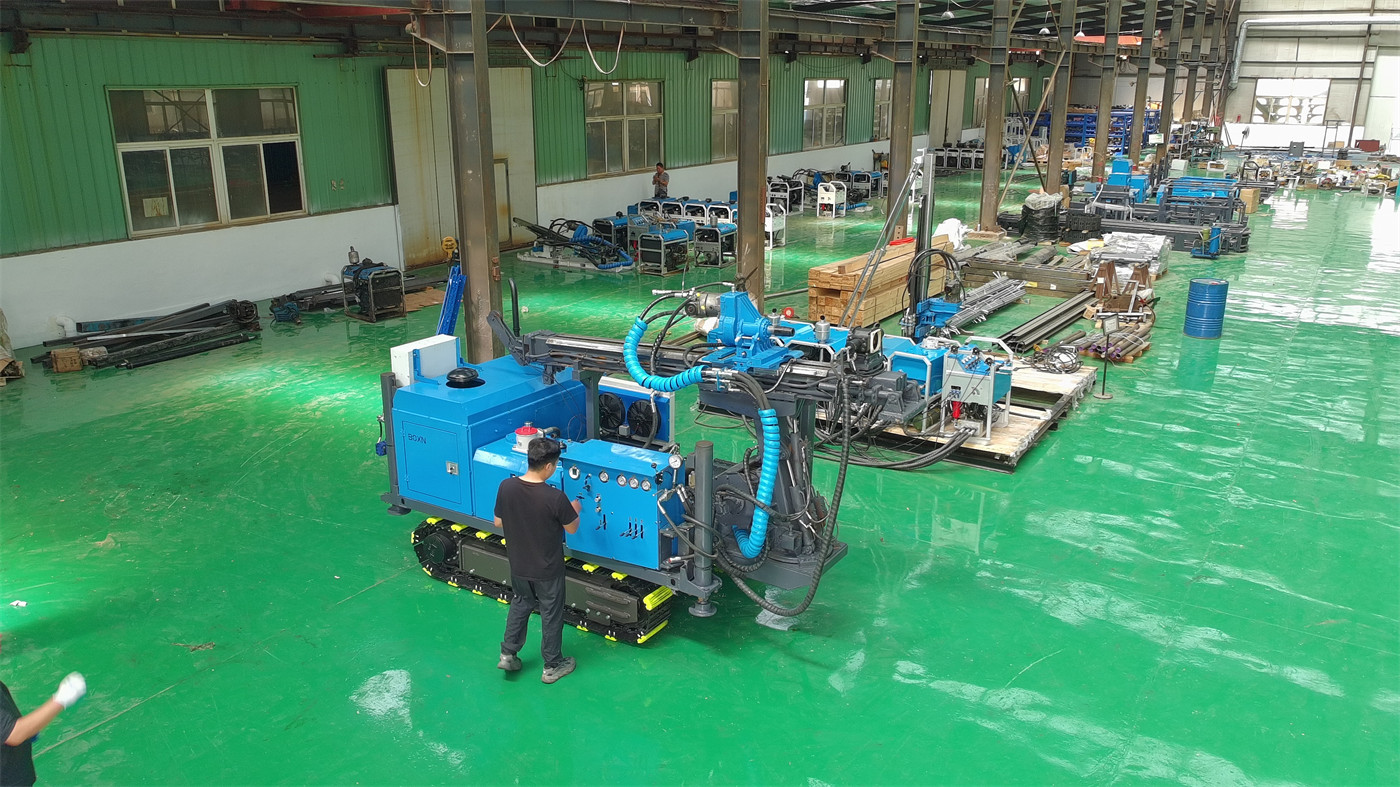
A DTH hammer is not equipment that works independently. The information clearly recommends that when selecting the 55A DTH hammer, the drilling rig model, target hole diameter, drilling depth, rock hardness, drill pipe specifications, bit specifications, and the working pressure and air flow rate of the air compressor should be confirmed to ensure the hammer matches the entire drilling system.
- Drilling rig model: Confirm whether the DTH drilling rig or water well drilling rig is compatible with the 55A hammer.
- Target hole diameter: Falls within the 85–185mm range, and the bit diameter should be matched accordingly.
- Drilling depth: The drilling depth in the information is 200, and the original information does not specify the unit. The unit needs to be confirmed with the supplier before comparing with the target hole depth.
- Rock hardness: The hammer is suitable for medium-hard to hard rock drilling conditions, and specific rock formation conditions need on-site judgment.
- Drill pipe and bit specifications: Match the hammer interface and the entire drilling system.
- Air compressor working pressure and air flow rate: These are key supporting conditions for whether the DTH hammer can work normally and need to be verified according to equipment requirements.
Among these, the drilling depth, drilling speed, impact energy, and impact frequency are not marked with units in the original information, so this article retains the original values and does not add them arbitrarily. If construction organization or capacity estimation is to be based on these, the units and test conditions should first be confirmed with the equipment supplier.
Where are the boundaries of hard rock drilling efficiency
The 55A DTH hammer breaks rock through high-frequency impact combined with bit rotation, suitable for medium-hard to hard rock drilling conditions in mining, quarrying, and engineering construction. However, "suitable for hard rock" does not mean "efficient drilling in any hard rock." When rock hardness exceeds the matching capability of the hammer and air supply system, or when the air compressor air flow rate is insufficient or the bit is severely worn, drilling efficiency will significantly decrease.
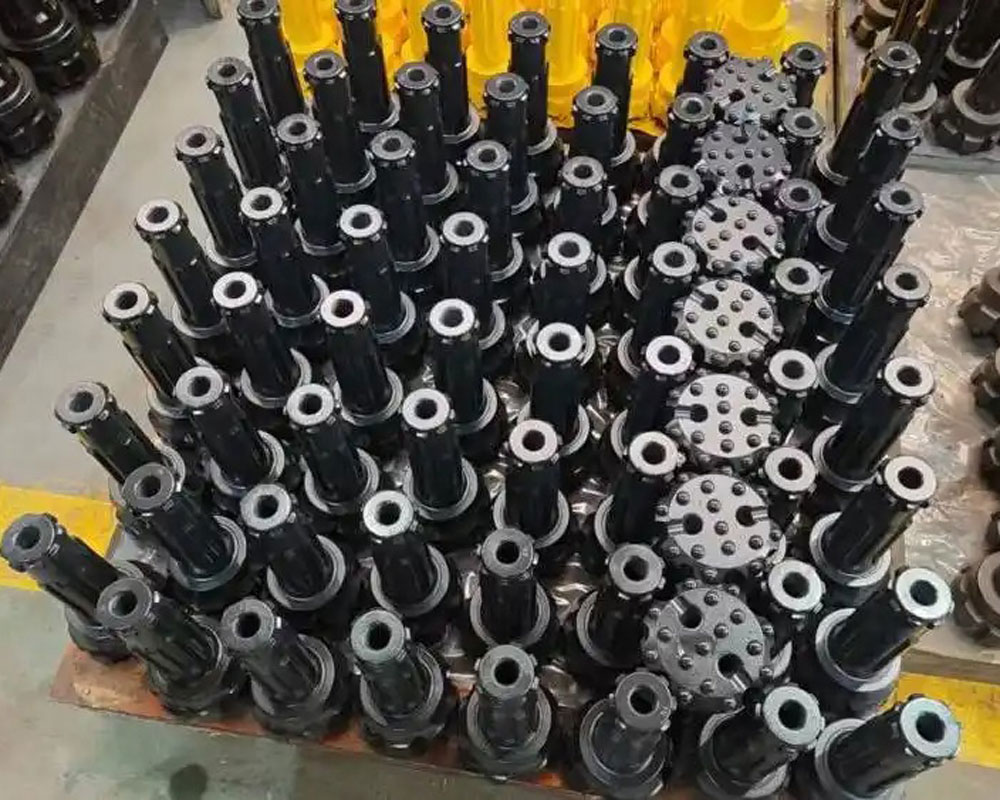
The information also suggests that stable air supply should be maintained during use, and the wear of the hammer, bit, and connection parts should be regularly checked. These two items are daily conditions for maintaining equipment status and cannot be regarded as additional means to improve efficiency.
Matters still requiring confirmation
If the 55A DTH hammer is to be used for a specific project, the following conditions are not yet covered or units are not marked in the information and need separate confirmation:
- The specific units and test conditions for drilling depth, drilling speed, impact energy, and impact frequency;
- The specific hardness range of the target rock formation and its matching relationship with the hammer;
- Whether the working pressure and air flow rate of the supporting air compressor meet the requirements of this model;
- Whether the interface specifications and diameters of the drill pipe and bit correspond to the 55A hammer;
- In water well drilling scenarios, whether additional considerations are needed for wall protection, cuttings removal, and well completion structure.
Before these conditions are clarified, it is not advisable to judge whether the hammer is suitable for a specific hard rock project based solely on the "wear-resistant" feature. Selection judgment should be based on the compatibility of the entire drilling system, not on a single product feature.